
Winter Car Security: A 2026 Checklist
Frosty mornings and busy shopping trips can disrupt good security habits. Follow this practical winter checklist for keys, parking, de-icing and vehicle protection.

Published 14 November 2026. As colder mornings arrive, the most useful security upgrade may start with your routine. Leaving keys near the door, walking away from a running car or forgetting to confirm that it has locked can undermine otherwise sensible precautions.
This winter checklist follows Police.uk prevention advice and current Autowatch guidance. It is practical advice for drivers in Sutton Coldfield, Birmingham and the West Midlands, not a claim that local theft has risen by a particular percentage.
1. Do not leave a running car unattended to de-ice it
It is tempting to start the engine and return indoors while the windows clear. Police.uk specifically warns against leaving a vehicle running unattended during de-icing or warming up.
Stay with your vehicle and use suitable de-icing equipment in line with the vehicle manufacturer’s instructions. Do not leave keys inside while you fetch something from the house. Check your insurance conditions rather than assuming theft would be covered in these circumstances.
Factory remote pre-conditioning is a separate feature with vehicle-specific safeguards. If you use it, follow the manufacturer’s instructions and confirm how it interacts with any aftermarket security fitted to your car.
2. Protect the spare key as well as the everyday key
Keep both keys away from the vehicle, front door and windows, and out of sight. A signal-blocking pouch can help reduce exposure to relay theft, but it is not protection against every way a vehicle could be taken.
Police.uk recommends checking that a pouch still works every few months. When testing, make sure another key or an authorised phone is not allowing access and masking a failed pouch. Follow your vehicle’s guidance if you choose to disable keyless entry or switch off the fob’s wireless signal.
3. Confirm that the car has actually locked
Do not rely solely on pressing the lock button as you walk away. Police.uk recommends checking that electronic locking has worked, since a locking signal can be interfered with.
Close windows and the sunroof, and use the locking confirmation method described in your handbook. On passive-entry vehicles, remember that checking a handle while carrying the key can unlock the car again; understand your model’s behaviour rather than following a one-size-fits-all test.
4. Choose parking for visibility, not only convenience
Where possible, use well-lit, busier parking locations. Police.uk also recommends considering staffed car parks and facilities with a Park Mark safer parking award.
Keep valuables and shopping out of sight and avoid leaving keys accessible during loading. Physical security such as a suitably rated steering-wheel lock can add a visible barrier. It complements rather than replaces careful key storage and electronic protection.
5. Check security settings after servicing
If your immobiliser was placed into service or valet mode for a garage visit, confirm that normal protection is restored when you collect the vehicle. Follow the instructions for your own installed system: operating procedures can differ between models and configurations.
Autowatch describes Ghost 3 service mode and several authorisation options. If you use a phone or tag, ask your installer to explain when the vehicle will authorise automatically. Do not leave an authorisation tag with the vehicle’s keys in an easily accessible place.
If anything is unclear, use our technical support page or contact your installer rather than experimenting with security wiring.
6. Understand what your security layers do
An immobiliser adds a separate authorisation requirement on compatible vehicles. A tracker supports location and recovery; it does not guarantee recovery or prevent every theft. Physical locks and good parking habits can add further barriers.
If you have a monitored tracker, check that its subscription and contact details are current. Ask the provider about any battery or tag maintenance requirements. If you receive a theft alert, follow the monitoring provider’s and police’s advice; do not attempt to confront a suspected thief or recover the vehicle yourself.
7. Make a short pre-winter checklist
- Both keys stored securely, including the spare.
- Signal-blocking pouch checked if you use one.
- Locking confirmation understood.
- Service mode checked after workshop visits.
- Tracker subscription and emergency contacts reviewed, where applicable.
- Emergency security instructions stored safely outside the vehicle.
- No unattended warm-up routine with accessible keys.
Need help choosing additional protection?
Compare Ghost immobiliser options, read about GPS trackers, or check our mobile fitting areas. Send your vehicle details and postcode through our contact page to discuss a suitable setup without assuming that every car needs the same package.
Sources and editorial notes
Guidance checked on 14 November 2026:
- Police.uk: preventing car and vehicle theft.
- Autowatch Ghost III: service mode, authorisation and remote climate guidance.
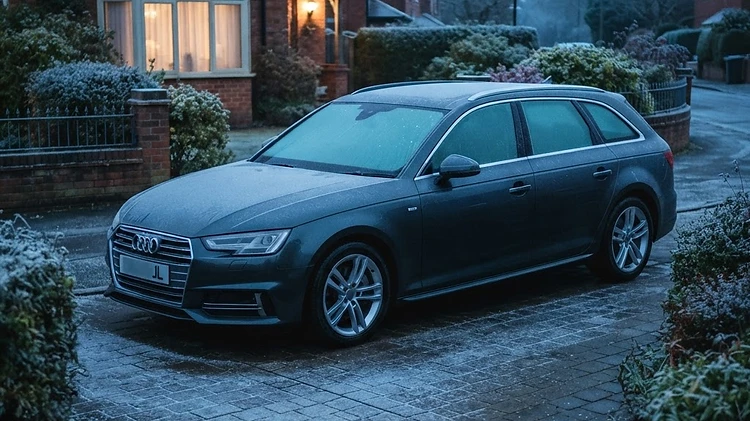
This article contains no postcode crime ranking, theft forecast or guaranteed insurance outcome. Cover image is an AI-generated editorial illustration, not a customer photograph.
Secure a TASSA-verified install
Explore compatible Autowatch Ghost immobilisers, including Ghost 3, and GPS trackers fitted at your home or workplace in Sutton Coldfield, Birmingham & the West Midlands.